Religious Cultural Traditions in Colombia in April – Holy Week
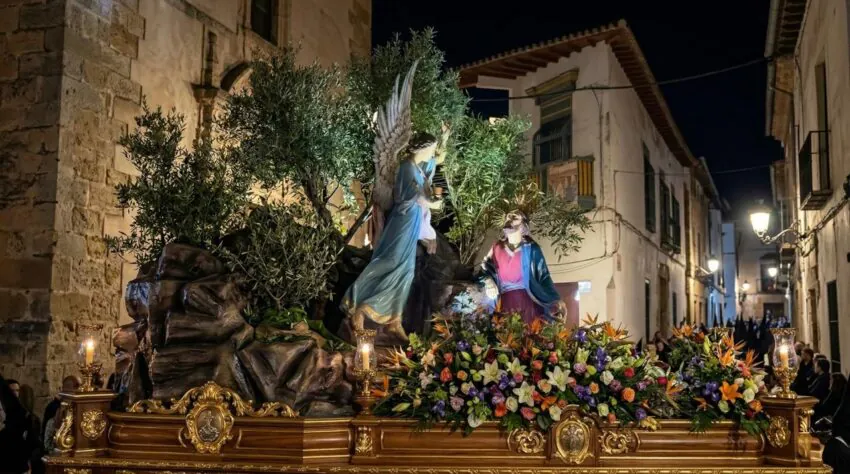
What does Holy Week mean?
Holy Week corresponds to the final week of Lent, leading up to Easter.
It is the most important celebration in Christianity, commemorating the passion, death, and resurrection of Jesus Christ, from Palm Sunday to Easter Sunday.
Beyond its religious significance, it represents values such as faith, hope, and spiritual renewal.
In Colombia, Maundy Thursday and Good Friday are public holidays, allowing people to fully experience this period and enjoy a different atmosphere across the country.
Colombian traditions
During Holy Week, Colombia slows down. It is a time when many people step away from their daily routines to focus on what truly matters: spirituality, family, and traditions.
These days are dedicated to prayer, reflection, and shared moments, creating a calm and distinctive atmosphere felt in both cities and towns.
Among the main traditions are:
Religious processions: tradition and heritage

Processions are one of the most iconic ways to experience Holy Week in Colombia.
Cities such as Popayán, Tunja, and Pamplona are transformed during this time, with candlelit streets and solemn parades that attract both locals and visitors.
Among them, the processions in Popayán stand out as the most renowned in the country.
Recognized by UNESCO as Intangible Cultural Heritage, they offer a unique experience where tradition, history, and emotion come together in an authentic setting.
For many travelers, attending a procession in Popayán becomes one of the most memorable ways to discover Colombia’s cultural richness.
The ViaCruxis: a meaningful experience

The ViaCruxis is another key experience during Holy Week in Colombia.
This symbolic journey, which recreates Jesus’ path to the crucifixion, takes place both inside churches and outdoors, offering a more immersive experience.
One of the most famous is the route to Monserrate in Bogotá, where hundreds of people walk up to the summit during these days. For visitors, it’s a different way to explore the city, combining physical effort, panoramic views, and a deeply spiritual atmosphere.
Pilgrimages to sacred sites

During Holy Week, pilgrimages are an essential part of the experience in Colombia.
It is common to see thousands of people traveling to iconic sanctuaries, whether on foot or in groups, in an atmosphere of reflection and tradition.
Places such as the Salt Cathedral of Zipaquira or the Santa Madre Laura Montoya Sanctuary in Medellín become key destinations during this time. They offer a unique opportunity to combine breathtaking landscapes with an authentic cultural and spiritual experience.
Visiting the seven churches

Visiting seven churches is one of the most deeply rooted traditions on Maundy Thursday in Colombia.
This practice consists of visiting seven different churches, symbolizing the moments leading up to Jesus’ crucifixion. Beyond its religious meaning, it is also a way to discover each city’s architectural heritage in a peaceful and reflective setting.
In Bogotá, this route may include iconic sites such as the Primada Cathedral, San Francisco Church, or La Candelaria Church. In Medellín, visitors often explore places like the Metropolitana Cathedral, the Basilica Nuestra Señora de la Candelaria, or San José Church.
For travelers, this tradition offers a different way to experience the city, blending culture, history, and spirituality.
The Easter Vigil: light and renewal

The Easter Vigil marks the culmination of Holy Week in Colombia.
Celebrated between Holy Saturday and Easter Sunday, this ceremony symbolizes the transition from darkness to light. During the night, the lighting of the Easter candle represents life, hope, and renewal.
In many cities, churches and cathedrals fill with both locals and visitors who take part in this celebration, where the lighting and intimate atmosphere create a deeply moving experience. For travelers, it is a chance to witness an authentic tradition in a unique setting.
A cultural and spiritual experience
Holy Week in Colombia is not only a religious celebration, but also a deeply rooted cultural tradition.
Through its rituals, cities, and communities, it offers an experience that blends spirituality, history, and culture.
Experiencing Holy Week in Colombia means discovering the country from a more authentic perspective, where each tradition reflects its cultural richness and identity.